In the bustling environments of New Zealand’s warehouses and factories, safety and efficiency are paramount. These industrial spaces are hives of activity, with forklifts zipping through aisles, workers navigating tight spaces, and valuable equipment operating around the clock. Amid this controlled chaos, ensuring proper access control is a critical challenge. Warehouse safety barriers, particularly expandable barriers, have emerged as a game-changer in addressing this need. By providing flexible, durable, and visible solutions, expandable barriers help manage pedestrian and vehicle flow, cordon off hazardous areas, and secure specific zones, creating safer and more efficient workplaces across New Zealand’s industrial sector.
This article explores how expandable barriers optimise access control in warehouses and factories, diving into their practical applications, key benefits, and why they are an essential tool for modern industrial operations. Whether you’re a warehouse manager, a factory owner, or a safety officer, understanding the role of these barriers can help you enhance workplace safety and streamline operations.
Why Access Control Matters in Warehouses and Factories
Access control is the backbone of a safe and productive industrial environment. In warehouses and factories, where heavy machinery, moving vehicles, and pedestrian workers coexist, the risk of accidents is ever-present. Without clear boundaries and controlled movement, mishaps such as collisions, trips, or unauthorised entry into hazardous zones can occur, leading to injuries, equipment damage, or costly downtime.
Effective access control ensures that only authorised personnel enter specific areas, directs traffic flow to prevent congestion, and isolates dangerous zones like loading docks or machinery areas. In New Zealand, where workplace safety is governed by strict regulations, businesses must comply with WorkSafe standards to protect staff and visitors. Expandable portable barriers offer a practical solution to meet these requirements while maintaining operational efficiency.
What Are Expandable Barriers?

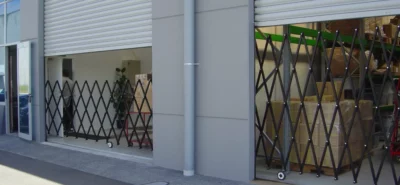
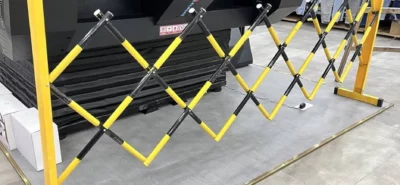
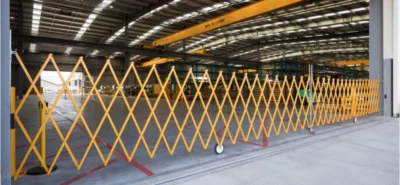
Expandable barriers, often referred to as pedestrian barriers or safety fences, are versatile tools designed to create temporary or semi-permanent boundaries in industrial settings. Unlike fixed barriers, which are permanently installed, expandable barriers are lightweight, adjustable, and easy to deploy. They typically feature a concertina design, allowing them to extend or retract as needed, and are often mounted on castor wheels for mobility.
Crafted from durable materials like extruded aluminium, these barriers are built to withstand the rigours of industrial environments. They come with UV-resistant powder-coated finishes in high-visibility colours such as yellow or red, ensuring they stand out in busy or low-light conditions. Many models also include features like drop-catch locks for added security and interlocking capabilities to connect multiple units for larger coverage.
Practical Applications of Expandable Barriers
Expandable barriers are incredibly versatile, making them ideal for a range of access control scenarios in New Zealand’s warehouses and factories. Below are some practical ways they are used to enhance safety and efficiency.
Managing Pedestrian and Vehicle Flow
In warehouses, forklifts and pedestrians often share the same space, creating a high risk of accidents. Expandable barriers help by creating clear pathways for workers, separating them from vehicle zones. For example, barriers can guide pedestrians along designated walkways, ensuring they avoid areas where forklifts are operating. This not only reduces the risk of collisions but also improves traffic flow, allowing operations to run smoothly.
In factories, barriers can direct workers to specific entry or exit points, preventing shortcuts through hazardous areas. By clearly defining routes, businesses can ensure compliance with safety protocols while keeping movement efficient.
Cordoning Off Hazardous Areas
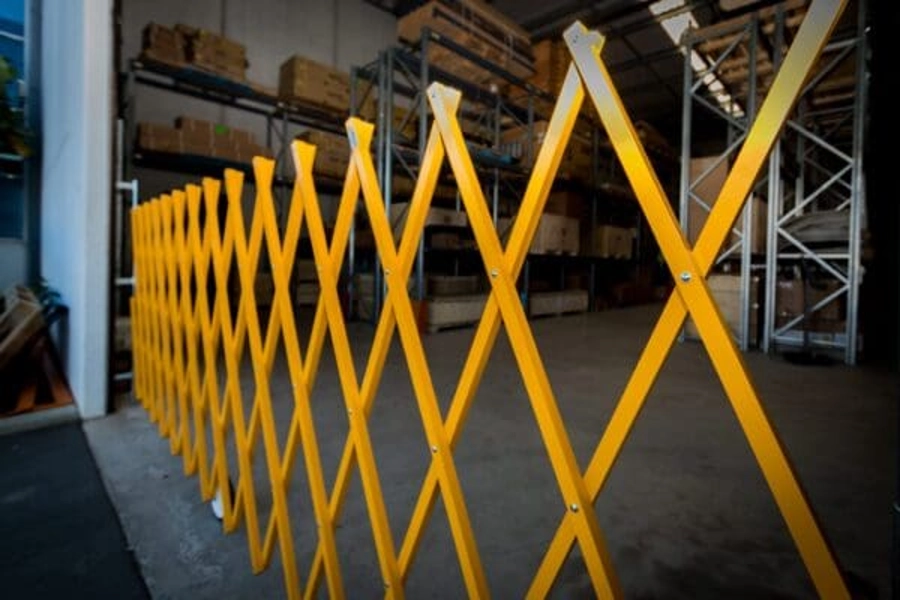
Heavy machinery, chemical storage, or maintenance zones pose significant risks in industrial settings. Expandable barriers are perfect for quickly cordoning off these areas to prevent unauthorised access. For instance, during equipment repairs, barriers can be set up to create a secure perimeter, keeping workers and visitors at a safe distance.
Their portability makes them ideal for dynamic environments where hazardous zones change frequently. Unlike fixed safety barriers, which require permanent installation, expandable barriers can be repositioned in minutes, adapting to the evolving needs of the workspace.
Securing Specific Zones
Warehouses and factories often have restricted areas, such as loading docks, inventory storage, or administrative zones. Expandable barriers provide a cost-effective way to secure these spaces. Equipped with locking mechanisms like drop catches or padlock-compatible latches, they deter unauthorised entry, protecting valuable assets and sensitive areas.
For example, during off-hours, barriers can be used to close off loading bays, preventing access to delivery zones. In retail-warehouse hybrid spaces, they can restrict customer access to storage areas, ensuring only staff enter these zones.
Temporary Safety Measures
Industrial environments are constantly evolving, with new projects, equipment installations, or layout changes occurring regularly. Expandable barriers are ideal for temporary safety measures during these transitions. For instance, during a warehouse reconfiguration, barriers can block off areas under construction, keeping workers safe from falling objects or moving equipment.
Their compact design, when retracted, makes them easy to store when not in use, ensuring they don’t clutter the workspace. This flexibility is a major advantage for businesses that need adaptable safety solutions.
Key Benefits of Expandable Barriers

The popularity of expandable barriers in New Zealand’s industrial sector stems from their numerous benefits. Here’s why they are a top choice for warehouse safety barriers.
Flexibility and Adaptability
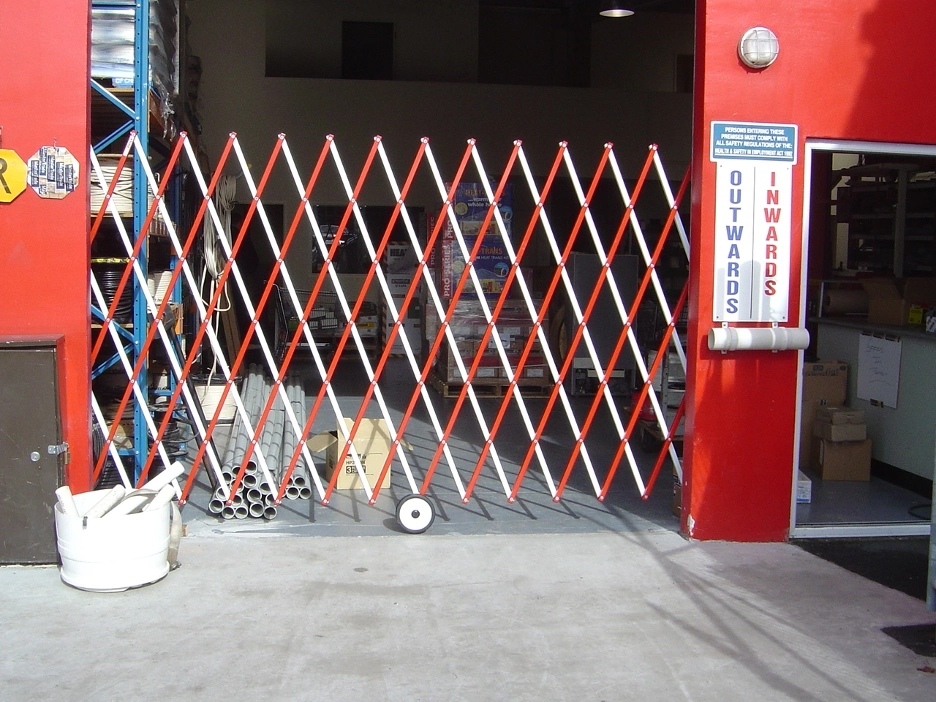
One of the standout features of expandable barriers is their ability to adapt to different environments. Whether you need to cover a small aisle or a large loading dock, these barriers can extend to fit various widths and heights. Their modular design allows multiple units to be linked together, creating extensive barriers for larger areas.
This flexibility is particularly valuable in warehouses and factories with fluctuating layouts. As operations change, barriers can be repositioned or reconfigured without the need for costly installations or modifications.
Durability and Low Maintenance
Built to withstand harsh industrial conditions, expandable barriers are made from high-quality materials like aluminium and marine-grade stainless steel. Their anti-corrosion coatings and UV-resistant finishes ensure they remain functional and visually appealing even in outdoor or high-traffic areas.
Maintenance is minimal, requiring only occasional cleaning to keep them in top condition. This durability translates to long-term cost savings, as businesses can rely on these barriers for years without frequent replacements.
Enhanced Visibility
Safety in industrial settings depends on clear communication, and expandable barriers excel in this regard. Their bright, powder-coated finishes make them highly visible, even in dimly lit warehouses or during night shifts. This visibility ensures workers and visitors are aware of restricted areas, reducing the likelihood of accidents.
Some models also allow for customisation, such as adding signage or branding, to further enhance their visibility and convey specific safety messages.
Cost-Effective Safety Solution
Compared to fixed barriers or other safety systems, expandable barriers offer a budget-friendly option without compromising on quality. Their portability and reusability mean businesses can use them across multiple projects or locations, maximising their investment. Additionally, their quick setup reduces labour costs associated with installation.
For small to medium-sized businesses in New Zealand, this cost-effectiveness is a significant advantage, allowing them to meet safety standards without straining their budgets.
Compliance with Safety Regulations
New Zealand’s WorkSafe regulations require businesses to implement measures to protect workers and visitors from workplace hazards. Expandable barriers help meet these standards by providing clear boundaries, controlling access, and reducing risks. Their compliance with industry standards, such as AS/NZ 1866-1997, ensures they are a reliable choice for safety-conscious businesses.
Why Choose Expandable Barriers from Xpando?
When it comes to warehouse safety barriers, Xpando stands out as a trusted provider in New Zealand. With a legacy dating back to 1996, Xpando has built a reputation for delivering high-quality, locally manufactured safety solutions. Our expandable barriers are designed with the unique needs of New Zealand’s industrial sector in mind, offering durability, versatility, and compliance with safety standards.
Xpando’s barriers are crafted from premium materials, ensuring they withstand the demands of busy warehouses and factories. Their customisable options, including various sizes, colours, and configurations, allow businesses to tailor solutions to their specific requirements. Whether you need portable barriers for temporary use or fixed expandable barriers for long-term access control, Xpando has a range to suit your needs.
Our commitment to customer satisfaction is evident in our nationwide delivery and expert support. By working closely with clients, Xpando ensures that every barrier solution is optimised for maximum safety and efficiency.
Integrating Expandable Barriers into Your Safety Strategy
To make the most of expandable barriers, businesses should integrate them into a comprehensive safety strategy. Start by conducting a risk assessment to identify areas where access control is needed, such as loading zones, machinery areas, or pedestrian pathways. Next, select barriers that match the specific requirements of these zones, considering factors like size, mobility, and visibility.
Training staff on the proper use and storage of barriers is also crucial. Ensure workers understand how to deploy, lock, and retract barriers safely to maintain their effectiveness. Regular inspections can help identify any wear and tear, ensuring barriers remain in optimal condition.
Finally, complement barriers with other safety measures, such as signage, floor markings, and personal protective equipment, to create a holistic safety environment. By taking a proactive approach, businesses can minimise risks and foster a culture of safety.
A Safer, More Efficient Future for NZ Industry
Expandable barriers are transforming access control in New Zealand’s warehouses and factories, offering a flexible, durable, and cost-effective solution to enhance workplace safety. By managing pedestrian and vehicle flow, cordoning off hazardous areas, and securing specific zones, these barriers create safer and more efficient industrial environments. Their adaptability, visibility, and compliance with safety standards make them an indispensable tool for businesses striving to protect their workers and assets.
As New Zealand’s industrial sector continues to grow, the demand for reliable safety solutions like expandable barriers will only increase. By investing in high-quality barriers from trusted providers like Xpando, businesses can stay ahead of safety challenges and build workplaces that prioritise both people and productivity. Whether you’re upgrading an existing facility or setting up a new one, expandable barriers are a smart choice for optimising access control and ensuring a safer future.