Pedestrian safety is a crucial aspect of urban and rural planning, aiming to create environments where people can move freely and securely, without the constant threat of accidents. While road safety campaigns and traffic regulations are vital, physical barriers offer an additional, tangible layer of protection. These barriers act as silent guardians, setting up safe zones, guiding pedestrian flow, and mitigating risks from vehicles and other hazards. This guide explores effective barrier solutions, their applications, and crucial considerations for their integration across New Zealand. By understanding and adopting these measures, we can collectively work towards a future where our footpaths, public spaces, and roadways are safer for all.
Understanding The Need For Pedestrian Safety Barriers
Pedestrian safety is paramount. Incidents involving vehicles, often due to a lack of clear separation between pedestrian and vehicular traffic, result in countless injuries or worse each year. These incidents have devastating consequences for individuals, families, and communities. While driver awareness and adherence to speed limits are crucial, human error is an undeniable factor. Physical barriers become indispensable here. They provide a clear demarcation, physically preventing pedestrians from entering unsafe areas and guiding them along safe pathways. In busy urban centres, barriers prevent accidental stepping into traffic at intersections or crossings. In industrial zones or construction sites, they protect workers and the public from heavy machinery. Barriers also manage crowds during public events, ensuring orderly movement and preventing dangerous surges. They offer a proactive approach to safety, reducing reliance on human vigilance alone and creating a more forgiving environment for all road users.
Investing in robust barrier solutions is an investment in the health and safety of our communities, fostering security and encouraging active transport.
Types Of Pedestrian Safety Barriers

Effective pedestrian safety relies on diverse barrier solutions, each suited to specific environments and risk profiles. Understanding these types is key to selecting the most appropriate and effective option.
Fixed Barriers
Fixed safety barriers are permanent installations for long-term safety and demarcation. These robust structures, often made from aluminium, concrete, or heavy-duty plastic, create a clear and unyielding separation between pedestrians and hazards like roadways or machinery. Examples include bollards, which block vehicle access while allowing pedestrian flow, and permanent fencing or guardrails along busy roads. Fixed barriers are ideal for areas with constant and predictable risk, offering high protection and minimal ongoing maintenance. At Xpando, we offer robust solutions in materials like powder-coated aluminium, ensuring longevity and resistance to elements. These barriers are a cornerstone of pedestrian safety infrastructure, providing a reliable deterrent against accidental incursions into unsafe zones.
Portable And Expandable Barriers
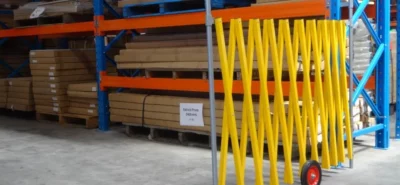
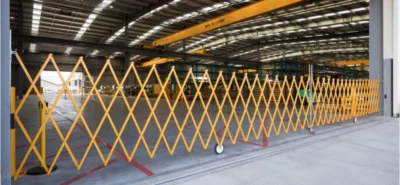
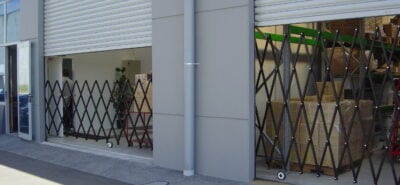
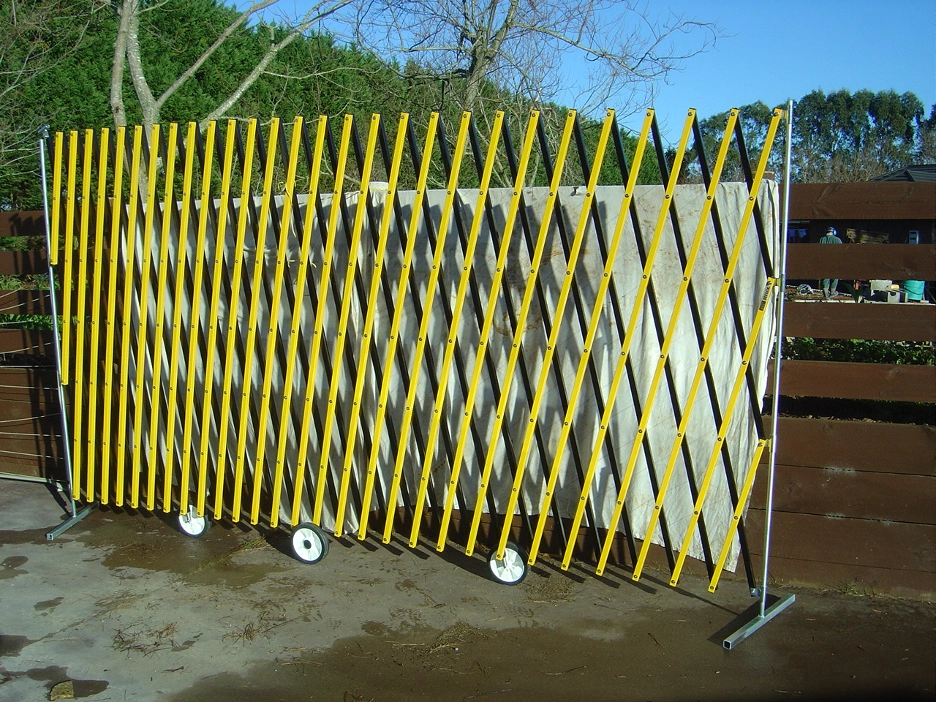
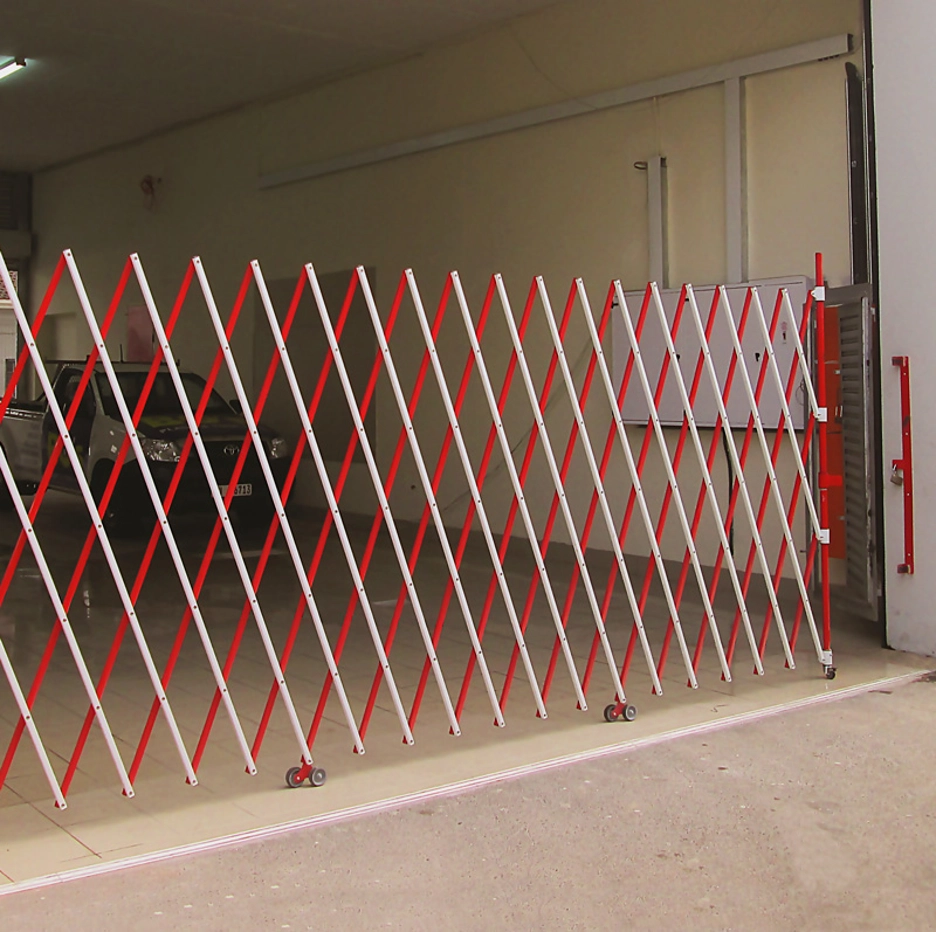
Portable and expandable barriers offer flexibility for temporary or changing safety needs. Designed for quick deployment and easy relocation, they are invaluable for managing pedestrian traffic in dynamic environments. Common examples include expandable portable barriers, seen at event venues or construction sites, which can be quickly extended or retracted. Companies like ours specialise in these solutions, providing lightweight yet effective barriers for temporary safe zones, directing pedestrian flow, or managing queues. Their versatility makes them essential where permanent barriers are impractical, allowing immediate responses to evolving safety requirements.
Flexible Road Safety Barriers
Flexible road safety barriers, while primarily for vehicle containment, also enhance pedestrian safety, especially on roads with higher speeds or significant traffic. These barriers, as highlighted by the NZ Transport Agency Waka Kotahi, are installed along road medians to prevent head-on collisions or along roadsides to mitigate run-off-road crashes. Their main function is to protect vehicle occupants by absorbing impact energy and redirecting vehicles, but they indirectly safeguard pedestrians by significantly reducing the likelihood of vehicles veering into pedestrian areas.
Key Considerations For Effective Barrier Solutions

Choosing and implementing pedestrian safety barriers requires careful consideration to ensure effectiveness and suitability. It involves a thoughtful assessment of risks, intended purpose, and area characteristics.
Functionality of the Barriers
Firstly, the purpose and functionality of the barrier must be clearly defined. Is it to prevent access, guide flow, absorb impact, or deter? Understanding the primary objective informs the best barrier type.
Material Used and Durability
New Zealand’s diverse climate demands materials that withstand environmental stressors. Aluminium, concrete, and high-density plastics offer different strengths and impact resistance. Aluminium, for example, offers excellent corrosion resistance for coastal areas. Material choice should also consider vandalism or accidental damage.
Visibility and Colours Used
Thirdly, visibility and aesthetics are significant, especially in public spaces. Barriers
should be visible to both pedestrians and vehicle operators, particularly in low light, using contrasting colours, reflective materials, or integrated lighting. While functionality is key, aesthetic integration is also important.
Installation and Maintenance
Well-designed barriers can enhance an area’s visual appeal. Fixed barriers require more extensive installation but have lower maintenance. Portable barriers are easy to deploy but may need more frequent checks. Regular maintenance is crucial for ongoing effectiveness.
Compliance with Standards and Regulations
In New Zealand, various standards govern barrier design and use. Ensuring compliance is vital for legal adherence and, most importantly, for guaranteeing the highest level of safety.
Implementing Barrier Solutions In New Zealand
The successful implementation of pedestrian safety barrier solutions in New Zealand requires a strategic and collaborative approach. It demands careful planning, community engagement, and ongoing evaluation. Given New Zealand’s diverse geography, a one-size-fits-all approach is rarely effective; solutions must be tailored to each location.
Risk Assessment and Site Analysis
This identifies high pedestrian traffic areas, accident blackspots, or conflict points. Factors like vehicle speeds, traffic volume, and existing infrastructure are considered. For instance, a busy urban intersection might benefit from fixed bollards, while a rural road with run off road crashes could use flexible road safety barriers. Understanding unique site challenges is crucial for selecting appropriate barrier types and placement.
Community Engagement
Residents and groups offer invaluable insights into pedestrian behaviour and hazards. Consulting them identifies concerns and fosters support for initiatives. For example, school communities might highlight needs for specific barriers around school zones. Their input leads to more effective and accepted solutions.
Step-wise Implementation
Phased implementation is practical for larger or complex projects. It allows the gradual introduction of barriers, monitoring effectiveness, gathering feedback, and making adjustments. Starting with high-priority areas or pilot projects provides valuable lessons and builds momentum for further rollouts. This iterative process ensures efficient resource allocation and continuous refinement.
An Integrative Approach
Integration with existing infrastructure is key to a cohesive safety network. New barriers should complement existing footpaths, cycleways, and public transport hubs. The aim is a seamless environment where safety measures are integrated into the community’s fabric. This might involve consistent barrier designs or ensuring they do not impede access for emergency services or those with mobility challenges.
Planning for the Long-term
Finally, ongoing monitoring and evaluation are essential for long-term effectiveness. Traffic patterns change, developments alter routes, and barrier conditions can deteriorate. Regular inspections, accident data analysis, and feedback mechanisms identify emerging issues and ensure barriers continue to meet safety objectives. This proactive approach allows timely maintenance, repairs, or modifications, ensuring New Zealand’s pedestrian safety infrastructure remains robust and responsive.
The Future Of Pedestrian Safety In New Zealand
The landscape of pedestrian safety in New Zealand is continually evolving, driven by technology, urban planning philosophies, and public awareness. Several key trends and innovations will likely shape the future of effective barrier solutions.
- One significant area is smart barrier technology. Imagine barriers with sensors detecting vehicles or pedestrians, triggering alerts or adaptive lighting. Such intelligent systems could provide real-time data, allowing dynamic adjustments to traffic flow or barrier configurations. For instance, in areas with fluctuating pedestrian volumes, smart barriers could automatically extend or retract. This integration of technology creates responsive and proactive safety environments.
- Another emerging trend is increased focus on integrated urban design. Future solutions will be less about isolated barriers and more about holistic urban planning that naturally separates pedestrian and vehicular spaces. This includes more pedestrian-friendly zones, shared spaces with managed vehicle speeds, and elevated walkways.
- Barriers will become an integral, subtle part of a larger design philosophy that prioritises human scale and safety, making safety inherent in design.
- Modular and adaptable barrier systems are also likely to gain prominence. These systems, easily reconfigured or expanded, offer greater flexibility for urban planners to respond to changing community needs or temporary events. This adaptability reduces the need for costly permanent installations, allowing agile safety interventions. For example, modular barriers could quickly create temporary pedestrian zones for events.
- Finally, data-driven decision-making will become even more critical. By collecting and analysing data on pedestrian movements, accident hotspots, and barrier performance, authorities can make more informed decisions on where and how to deploy safety solutions. This evidence-based approach ensures effective resource allocation, targeting areas where barriers will have the greatest impact.
The future of pedestrian safety in New Zealand is bright, with a clear trajectory towards more intelligent, integrated, sustainable, and data-informed barrier solutions, all working to create safer, more liveable communities for everyone.
Conclusion
Enhancing pedestrian safety in New Zealand is a multifaceted endeavour requiring a comprehensive and proactive approach. While education, enforcement, and urban planning are crucial, strategic deployment of effective barrier solutions is a tangible and highly impactful measure. From the permanent security of fixed barriers to the adaptable versatility of portable systems, and the indirect protection from flexible road safety barriers, each contributes uniquely to creating safer environments.
The journey towards a safer New Zealand for pedestrians is ongoing. It demands continuous commitment to understanding specific needs, engaging with communities, and embracing innovation. By carefully considering purpose, material, visibility, installation, and compliance, we ensure barriers are effective and seamlessly integrated. The future promises more intelligent and integrated safety solutions, driven by technology and a deeper understanding of urban dynamics.
Ultimately, the goal is to foster a culture where pedestrian safety is paramount, where every walk is undertaken with confidence and peace of mind. By investing in and thoughtfully implementing these barrier solutions, New Zealand can continue to build its reputation as a beautiful and welcoming country, ensuring its roads and public spaces are safe and accessible for all. It is a collective responsibility, and through informed choices and collaborative efforts, we can significantly reduce risks and enhance the well-being of pedestrians across the nation.