Construction sites are dynamic environments where safety and efficiency are paramount. With heavy machinery, ongoing works, and a constant flow of workers and visitors, managing risks and maintaining order is a significant challenge. Expandable portable barriers have emerged as a versatile and effective solution to address these demands, particularly in New Zealand’s construction industry. These barriers offer a practical way to control access, demarcate hazards, and segregate pedestrians, ensuring both safety and operational efficiency. This article explores the critical role of expandable barriers in New Zealand’s construction sites, highlighting their benefits, applications, and alignment with local safety standards.
Understanding Expandable Barriers
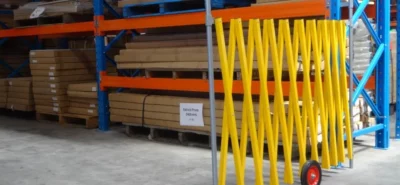
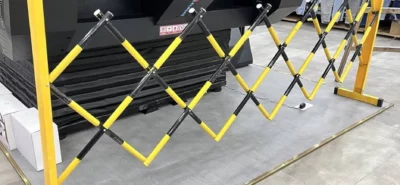
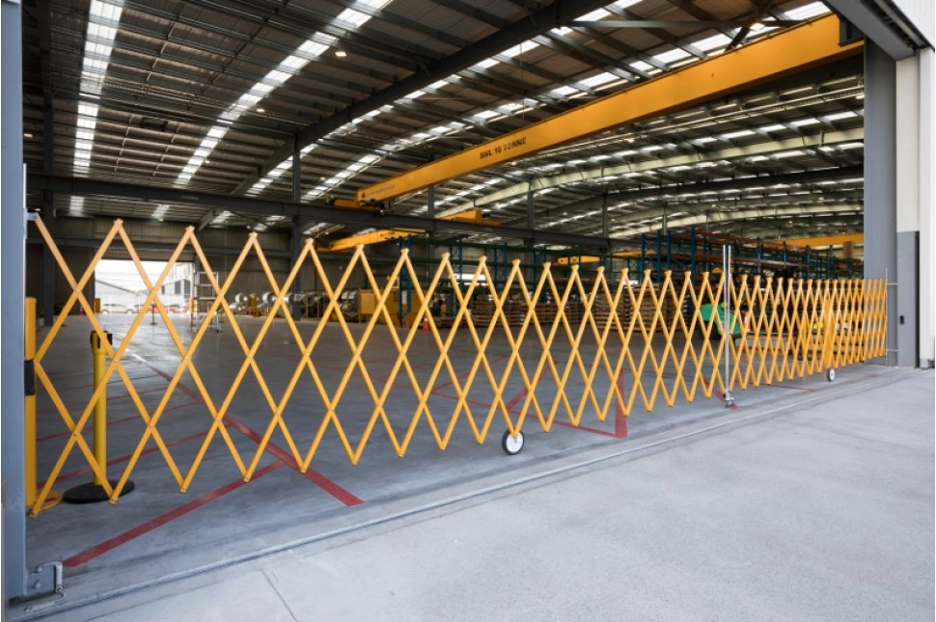
Expandable barriers are portable, adjustable, and robust tools designed to create temporary safety zones or restrict access in various environments. Unlike fixed barriers, they can be extended or retracted as needed, making them highly adaptable to the ever-changing layouts of construction sites. Constructed from durable materials such as aluminium, steel, or high-quality plastic, these barriers are built to withstand the rigours of construction environments while remaining lightweight for easy transport and setup. Their flexibility makes them ideal for managing site access control in NZ, ensuring that restricted areas are clearly defined and protected.
The design of expandable barriers allows for quick deployment, which is essential in fast-paced construction settings. Whether it’s a small residential project or a large infrastructure development, these barriers can be tailored to suit specific site requirements. Many models, such as those offered by Xpando, come with customisation options like high-visibility colours, reflective strips, and branding, enhancing their functionality and visibility.
Why Expandable Barriers Are Essential for Construction Site Safety in New Zealand

Construction site safety in New Zealand is governed by strict regulations, including compliance with WorkSafe New Zealand guidelines and the Code of Practice for Temporary Traffic Management (CoPTTM). These standards emphasise the need for clear hazard demarcation, pedestrian segregation, and effective access control to prevent accidents and ensure worker safety. Expandable barriers play a pivotal role in meeting these requirements by providing a flexible and visible solution for managing risks.
Construction sites often involve multiple hazards, such as open excavations, heavy machinery, and falling debris. Expandable barriers create clear boundaries around these danger zones, reducing the risk of unauthorised access or accidental entry. Their high-visibility features, such as bright colours and reflective elements, ensure they are easily noticeable, even in low-light conditions or adverse weather, which is particularly important given New Zealand’s variable climate.
Moreover, expandable barriers help segregate pedestrians from operational areas, protecting both workers and visitors. By guiding foot traffic away from hazardous zones, they minimise the risk of collisions or injuries, aligning with the safety-first ethos of New Zealand’s construction industry. This makes them a cornerstone of effective safety management on construction sites.
Key Advantages of Expandable Barriers in Construction

The use of an expandable barrier in construction in NZ offers several advantages that enhance both safety and efficiency. Below are some of the key benefits:
Flexibility and Adaptability
One of the standout features of expandable barriers is their adaptability. Construction sites are constantly evolving, with new hazards emerging and layouts changing as projects progress. Expandable barriers can be easily adjusted to accommodate these changes, whether it’s extending to cover a larger area or retracting to allow access for machinery. This flexibility ensures that safety measures remain effective throughout the project lifecycle without requiring permanent installations.
Ease of Installation and Portability
Expandable barriers are designed for quick setup and removal, which is critical in the fast-paced construction environment. Unlike fixed barriers that require anchoring or complex installation, expandable barriers can be deployed in minutes, saving valuable time and labour. Their lightweight design also makes them easy to transport and reposition, allowing site managers to respond swiftly to changing conditions. For instance, Xpando’s portable barriers are engineered for ease of use, making them a popular choice for construction sites across New Zealand.
Cost Effectiveness
For construction companies, managing budgets is as important as ensuring safety. Expandable barriers offer a cost-effective solution compared to permanent fencing or heavy-duty barriers. Their reusability across multiple projects and low maintenance requirements reduce long-term costs. Additionally, their portability eliminates the need for expensive installations, making them an economical choice for temporary safety needs.
Enhanced Visibility and Compliance
Compliance with New Zealand’s safety standards is non-negotiable, and expandable barriers are designed to meet these requirements. High-visibility colours, reflective strips, and customisable signage ensure that barriers are easily seen and communicate clear instructions, such as restricted access or hazard warnings. This aligns with CoPTTM guidelines, which recommend visible and strategically placed barriers for effective traffic and pedestrian management.
Durability in Harsh Conditions
New Zealand’s weather can be unpredictable, with rain, wind, and UV exposure posing challenges for outdoor equipment. Expandable barriers, particularly those from reputable brands like Xpando, are constructed from durable materials such as UV-resistant aluminium or corrosion-resistant steel. These materials ensure that barriers remain functional and effective even in harsh environmental conditions, providing long-lasting protection.
Applications of Expandable Barriers in Construction
Expandable barriers have a wide range of applications in construction, making them indispensable for site managers. Below are some key uses:
Site Access Control
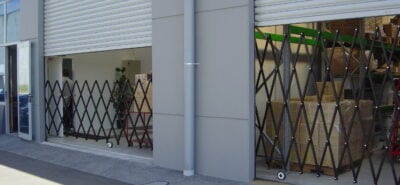
Controlling who enters and exits a construction site is critical for both safety and security. Expandable barriers provide a physical barrier to restrict unauthorised access, ensuring that only trained personnel or authorised visitors can enter hazardous areas. Wall-mounted or portable barriers can be used at entry points, loading docks, or restricted zones, offering a flexible solution for site access control in NZ.
Hazardous Area Demarcation
Construction sites are filled with potential hazards, from open trenches to exposed electrical systems. Expandable barriers are ideal for cordoning off these areas, clearly marking them as off-limits. Their bright colours and reflective features enhance visibility, ensuring that workers and visitors are aware of dangers and stay safe.
Pedestrian Segregation
Segregating pedestrians from operational areas is a key safety requirement. Expandable barriers can be used to create designated walkways, guiding pedestrians away from machinery or high-risk zones. This is particularly important on sites with high foot traffic, such as those near public spaces or during community events.
Temporary Traffic Management
For construction sites near roads or public areas, managing vehicle and pedestrian traffic is essential. Expandable barriers can be used to create temporary lane closures, direct traffic, or block off work zones. Their portability allows for quick adjustments to accommodate changing traffic patterns, ensuring compliance with CoPTTM standards.
Crowd Control During Events
Some construction projects, such as infrastructure developments, may involve public interaction or events. Expandable barriers are effective for managing crowds, creating queues, or securing perimeters during these occasions. Their ease of deployment makes them ideal for short-term use without compromising safety.
Choosing the Right Expandable Barrier for Your Construction Site
Selecting the appropriate expandable barrier requires careful consideration of several factors to ensure it meets the specific needs of a construction site. Here are some key considerations:
Intended Use and Environment
The purpose of the barrier will dictate its design and material. For instance, lightweight plastic barriers may suffice for indoor use or low-risk areas, while heavy-duty aluminium barriers are better suited for outdoor or high-risk environments. Consider whether the barrier will be used for pedestrian control, hazard demarcation, or traffic management.
Size and Coverage
The size of the area to be protected will determine the required length and height of the barrier. Expandable barriers come in various dimensions, allowing site managers to choose models that provide adequate coverage without obstructing workflows.
Material and Durability
Materials like aluminium offer superior durability and weather resistance, making them ideal for New Zealand’s climate. Ensure the chosen barrier is UV-resistant and corrosion-proof to maintain its effectiveness over time.
Customisation Options
Many manufacturers, including Xpando, offer customisation options such as branding, signage, or additional features like wheels or locking mechanisms. These can enhance the barrier’s functionality and align it with specific site requirements.
Compliance with Standards
Ensure the barrier complies with New Zealand’s safety regulations, such as those set by WorkSafe and CoPTTM. This includes verifying that the barrier is visible, stable, and suitable for its intended application.
Xpando: A Trusted Solution for New Zealand Construction Sites
As a New Zealand-based manufacturer, Xpando has been providing high-quality safety barriers since 1996. Our expandable barriers are engineered for durability, flexibility, and compliance with local safety standards, making them a trusted choice for construction companies. Xpando’s barriers are crafted from robust materials like aluminium and UV-resistant powder-coated finishes, ensuring they withstand the demands of construction environments. With customisation options and a focus on workplace safety, Xpando delivers solutions that enhance both efficiency and protection.
Best Practices for Using Expandable Barriers
To maximise the benefits of expandable barriers, construction site managers should follow these best practices:
- Strategic placement: Position barriers to clearly communicate hazards or restricted areas, ensuring they are visible from a distance and placed on stable surfaces.
- Regular maintenance: Inspect barriers for wear or damage and clean them with mild detergent to maintain visibility and functionality.
- Proper spacing: Follow CoPTTM guidelines for spacing, such as 5-7 metres for low-speed zones and 15 metres or more for high-speed zones, if managing traffic.
- Staff training: Ensure workers are trained on the correct setup and use of barriers to prevent misuse and enhance safety.
- Customisation for visibility: Use high-visibility colours and reflective strips to ensure barriers are effective in all conditions.
Conclusion
Expandable barriers are a game-changer for New Zealand’s construction industry, offering a versatile, cost-effective, and compliant solution for managing safety and efficiency. Their flexibility, ease of use, and durability make them ideal for addressing the dynamic needs of construction sites, from hazard demarcation to pedestrian segregation. By choosing high-quality barriers from trusted providers like Xpando, construction companies can create safer, more organised work environments while meeting stringent safety standards. As the industry continues to prioritise worker safety and operational efficiency, expandable barriers will remain an essential tool for success.