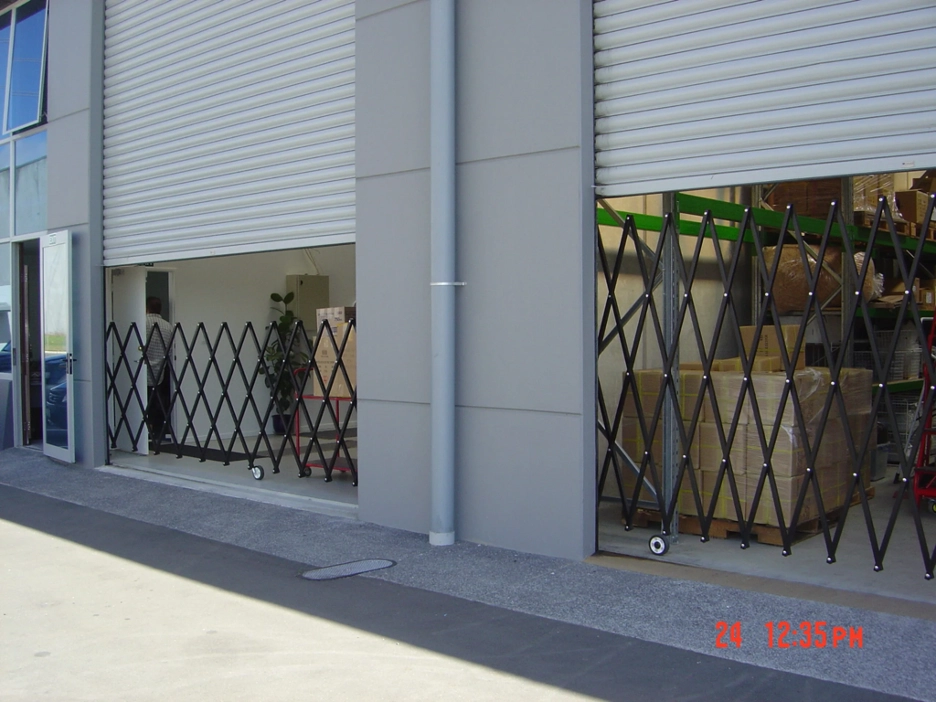
In industrial and commercial sectors, workplace safety is a top priority. Heavy-duty expandable barriers play a crucial role in ensuring safe environments by controlling access, managing risks, and protecting workers and assets. These versatile tools, such as those offered by Xpando, provide robust solutions for a variety of industries, from construction to warehousing. This article explores why heavy-duty expandable barriers are indispensable, their key use cases, the benefits they bring, and practical tips for ensuring compliance with New Zealand’s safety regulations.
What Are Heavy-duty Expandable Barriers?
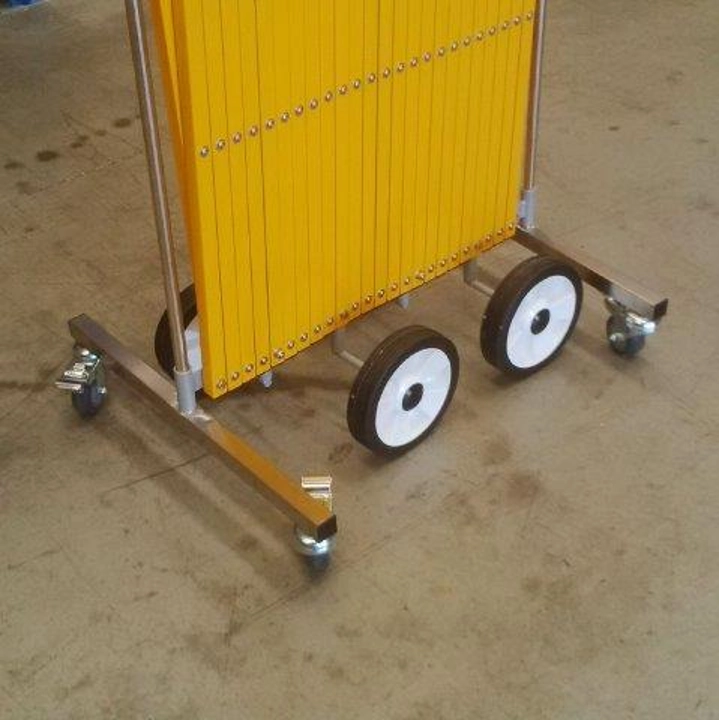
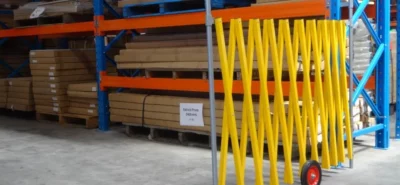
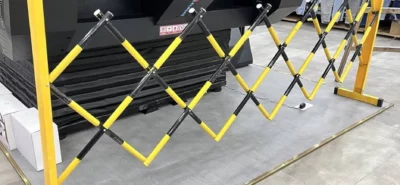
Heavy-duty expandable barriers are portable or semi-permanent structures designed to restrict access, guide traffic, or mark hazardous areas in industrial and commercial settings. Unlike fixed barriers, these systems can be extended or retracted as needed, offering flexibility for dynamic workplaces. Constructed from durable materials like aluminium or steel, they are built to withstand tough conditions while maintaining functionality and safety. For example, XPANDO products use extruded box-section aluminium and UV-resistant powder-coated finishes, ensuring durability and compliance with standards like AS/NZ 1866-1997.
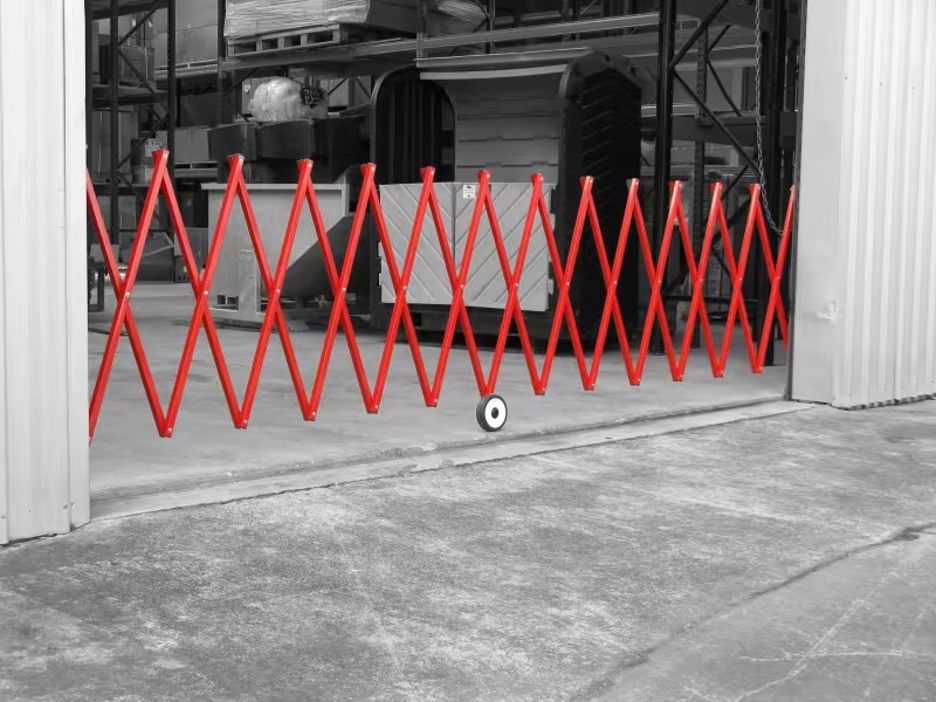
These barriers are equipped with features such as locking swivel castors, customisable heights, and high-visibility colours like yellow or red, making them ideal for environments where safety and visibility are paramount. Their ability to adapt to various spaces and requirements makes them a go-to choice for businesses aiming to enhance safety without compromising efficiency.
Key Use Cases of Heavy-duty Expandable Barrier
Heavy-duty expandable barriers are versatile tools with applications across multiple industries. Below are some of the primary use cases in New Zealand’s industrial and commercial settings.
Construction Sites
Construction environments are inherently hazardous, with risks like falling objects, heavy machinery, and uneven surfaces. Expandable portable barriers are used to cordon off dangerous zones, such as areas with active machinery or open excavations, to protect workers and visitors. Their portability allows quick setup during tasks like maintenance or cleanup, ensuring temporary hazards are isolated effectively.
Warehousing and Logistics
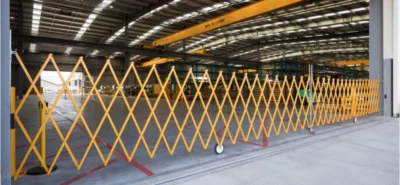
In warehouses, where forklifts and other machinery operate alongside pedestrian workers, heavy-duty expandable barriers create clear pathways and restricted zones. They help segregate pedestrian walkways from vehicle routes, reducing the risk of collisions. Barriers can also protect sensitive stock or equipment, ensuring operational efficiency while prioritising safety.
Retail and Commercial Spaces
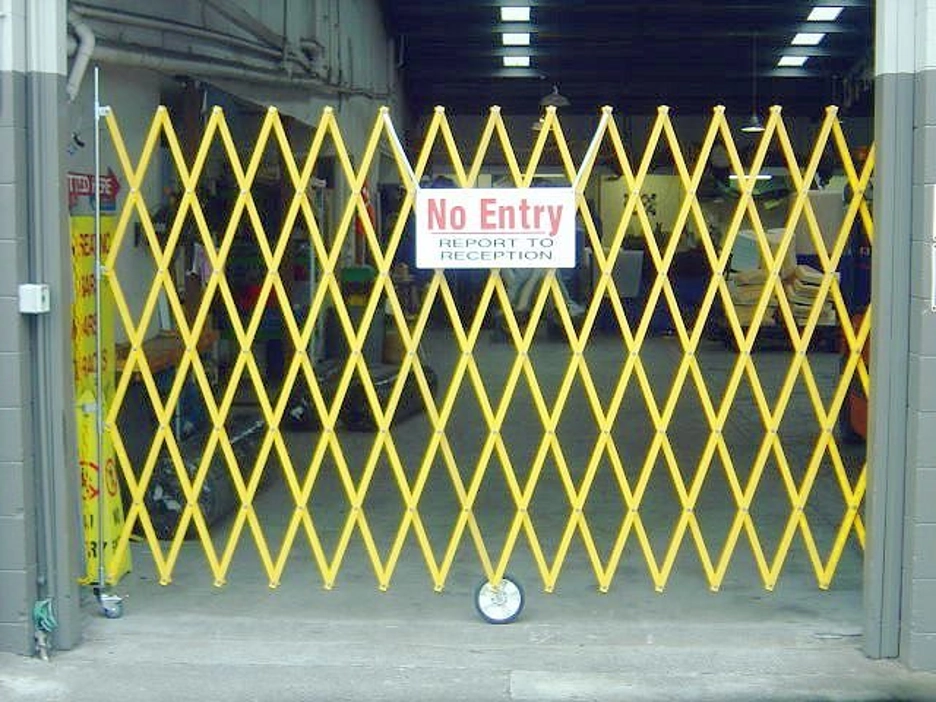
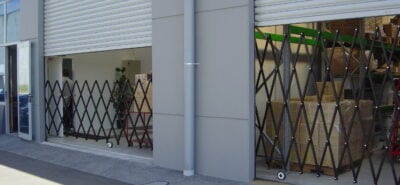
Retail environments, such as shopping centres or supermarkets, benefit from expandable barriers during maintenance or renovations. They can block off areas under repair, guide customer flow during busy periods, or secure entrances after hours. Their high-visibility design ensures customers are aware of restricted zones, enhancing safety.
Public Events and Crowd Control
During public events, such as festivals or sports matches, expandable barriers manage crowds and restrict access to backstage or hazardous areas. Their ease of deployment makes them ideal for temporary setups, while their durability ensures they can handle large crowds without compromising safety.
Educational and Recreational Facilities
Schools, universities, and recreational spaces like playgrounds or zoos use expandable barriers to control access or secure areas during maintenance. For instance, barriers can restrict access to play equipment under repair or guide students away from hazardous zones, ensuring a safe environment for all.
Benefits of Heavy-Duty Expandable Barriers
The adoption of heavy-duty expandable barriers offers numerous advantages, making them a valuable investment for New Zealand businesses. Below are some key benefits.
Enhanced Workplace Safety
Safety is the primary reason businesses invest in heavy-duty expandable barriers. By clearly marking hazardous areas, these barriers reduce the risk of accidents, such as collisions between workers and machinery or falls in restricted zones. According to WorkSafe New Zealand, falls from height and vehicle-related incidents are among the leading causes of workplace injuries, highlighting the need for effective barriers to prevent such risks.
Flexibility and Versatility
Unlike fixed barriers, expandable barriers can be adjusted to fit various spaces and requirements. Whether blocking a small doorway or a large warehouse aisle, they adapt easily. Their portability allows businesses to move them between locations, making them suitable for both temporary and semi-permanent applications.
Durability and Longevity
Constructed from robust materials like aluminium or steel with UV-resistant coatings, heavy-duty expandable barriers are built to withstand harsh industrial conditions. Non-corrosive components, such as stainless steel fixings, ensure they remain functional indoors and outdoors, even in New Zealand’s variable weather conditions.
Cost-effective Protection
By preventing accidents, expandable barriers help businesses avoid costly downtime, medical expenses, and legal liabilities. Their modular design also means they can be reused across multiple projects or locations, offering long-term value without the need for frequent replacements.
Improved Productivity
A safe workplace fosters confidence among workers, allowing them to focus on their tasks without fear of hazards. Clear delineation of safe zones reduces disruptions caused by accidents, leading to smoother operations and higher productivity.
Customisation Options
Xpando offers customisation options like adjustable heights, colours, and additional features such as locking mechanisms or signage. This allows businesses to tailor barriers to their specific needs, ensuring maximum effectiveness and compliance with branding or safety requirements.
Compliance with New Zealand Safety Regulations

New Zealand has stringent workplace health and safety regulations, primarily governed by the Health and Safety at Work Act 2015 (HSWA). Compliance is non-negotiable, and heavy-duty expandable barriers play a vital role in meeting these standards. Below are key compliance considerations and tips for businesses.
Understanding the Health and Safety at Work Act 2015
The HSWA requires Persons Conducting a Business or Undertaking (PCBUs) to ensure safe workplaces by identifying and controlling risks. This includes providing barriers to restrict access to hazardous areas and ensuring workers are trained to use them correctly. Expandable barriers help meet these obligations by creating clear boundaries and reducing exposure to risks like machinery or falling objects.
Adhering to AS/NZS Standards
Barriers must comply with relevant standards, such as AS/NZS 1170.1 for structural integrity or AS/NZS 1866-1997 for aluminium construction. Choosing barriers from suppliers like Xpando ensures compliance with these standards, reducing the risk of penalties or safety violations.
Regular Inspections and Maintenance
To remain compliant, barriers must be regularly inspected for wear and tear, especially in high-traffic environments. Ensure castors, locks, and structural components are in good condition. Maintenance schedules should align with WorkSafe New Zealand’s guidelines to ensure barriers remain effective.
Worker Training and Engagement
Compliance extends beyond equipment to worker behaviour. Train employees on the correct use of expandable barriers, including how to set them up, retract them, and store them safely. Regular toolbox talks, as recommended by Site Safe, can reinforce safety protocols and encourage a positive safety culture.
Combining with Other Safety Measures
Expandable barriers are most effective when used alongside other safety equipment, such as high-visibility clothing, signage, or bollards. For example, pairing barriers with reflective tape or warning signs enhances visibility, further reducing risks. Ensure all safety measures are compatible and meet regulatory requirements.
Documentation and Audits
Maintain records of barrier purchases, maintenance, and training sessions to demonstrate compliance during WorkSafe audits. Non-compliance can result in fines or worksite shutdowns, as seen in cases where businesses failed to meet scaffolding or safety standards, according to WorkSafe reports.
Practical Tips for Choosing and Using Heavy-duty Expandable Barriers
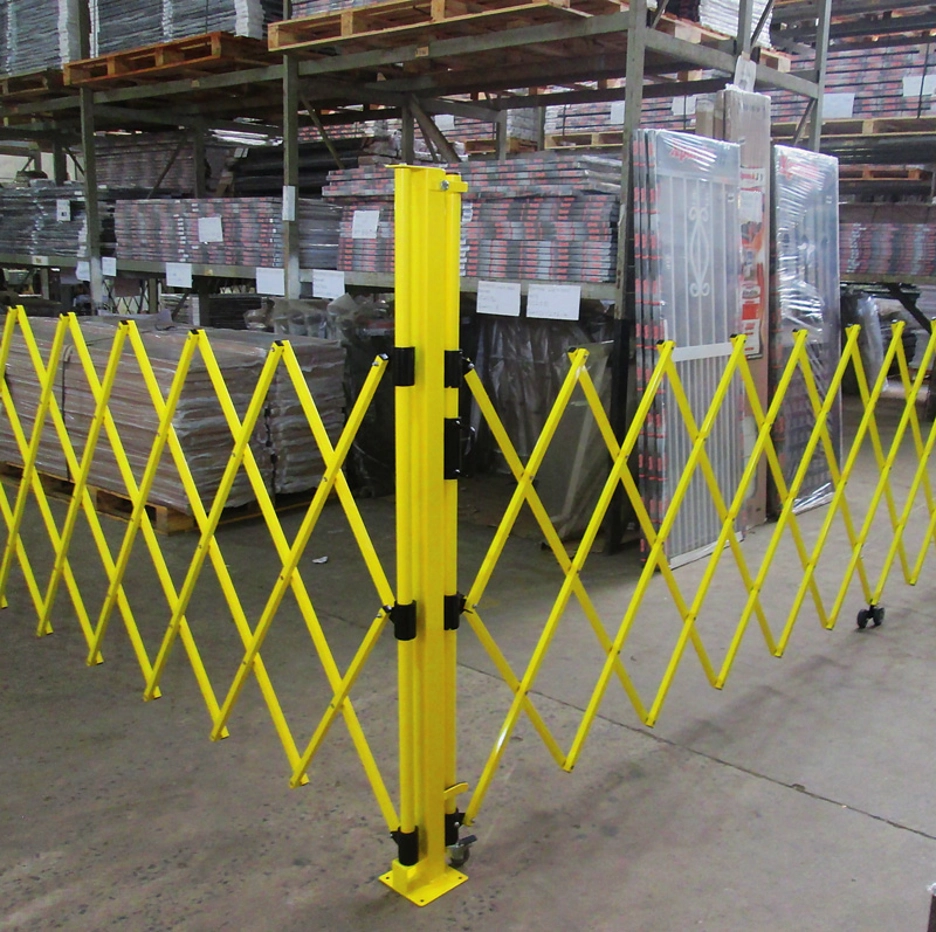
To maximise the effectiveness of heavy-duty expandable barriers, businesses should consider the following tips.
Assess Workplace Needs
Evaluate the specific hazards and spatial requirements of your workplace. For temporary setups, lightweight aluminium barriers with castors are ideal. For high-risk or permanent applications, opt for steel barriers with fixed mountings for added stability.
Prioritise High Visibility
Choose barriers in bright colours like yellow or red, which are recognised as high-visibility hues under New Zealand safety guidelines. Additional signage or reflective webbing can further enhance visibility, especially in low-light environments.
Opt for Customisation
Select barriers that can be tailored to your needs, such as adjustable heights or lengths. Custom features like locking mechanisms or wall-mounted brackets provide added functionality and security.
Ensure Easy Deployment
Barriers should be easy to set up and retract, especially in fast-paced environments. Features like swivel castors or handles, as seen in XPANDO barriers, make deployment quick and efficient, minimising downtime.
Invest in Quality
Choose barriers from trusted suppliers with a track record of compliance and durability. New Zealand-made products, like those from Xpando, are engineered for local conditions and standards, ensuring reliability and longevity.
Stay Informed on Regulations
Keep up to date with WorkSafe New Zealand’s guidelines and industry best practices. Regularly review resources from Site Safe or the Building Performance website to ensure your safety measures align with current regulations.
Conclusion
Heavy-duty expandable barriers are essential tools for maintaining safety, efficiency, and compliance in New Zealand’s industrial and commercial workplaces. Their versatility, durability, and ability to prevent accidents make them indispensable across construction sites, warehouses, retail spaces, and public events. By choosing high-quality barriers, businesses can protect workers, reduce costs, and enhance productivity while meeting the stringent requirements of the Health and Safety at Work Act 2015. With proper selection, maintenance, and training, these barriers provide a flexible and effective solution for creating safer work environments across New Zealand.